
Creating more possibilities for youth participation
pta’s advance written statement for CBD COP17 · 8 October 2026
While collecting and reviewing youth biodiversity action cases, we encountered many different starting points. People began with their own interests, experiences and concerns about the places where they live. The submissions described what each project did; the organizers’ accounts also showed why they chose to begin and what mattered to them.
Reading their stories, we asked: when a young person is willing to act, what support will help them continue?
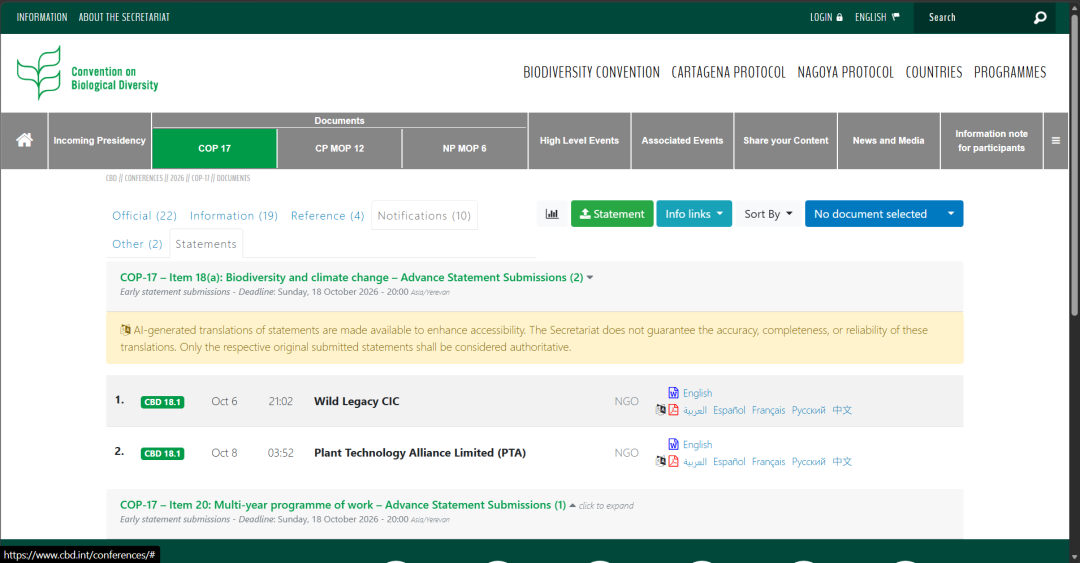
With these observations in mind, pta submitted an advance written statement to the seventeenth meeting of the Conference of the Parties to the Convention on Biological Diversity (CBD COP17). It proposes three specific changes to the draft decision under agenda item 18(a), “Biodiversity and climate change.” The English statement was published on the conference documents page on 8 October 2026.
01 · Listen to what participants want to do
Some want practical skills; others value working with peers. Some hope to contribute to their communities, while others want to learn about local culture or explore a sustainable livelihood. All of these hopes deserve to be heard.
In pta’s years of collaboration, we have seen how meaningful participation becomes when people can use their own experience and work on something they care about. A project can have a shared purpose while making room for different starting points.
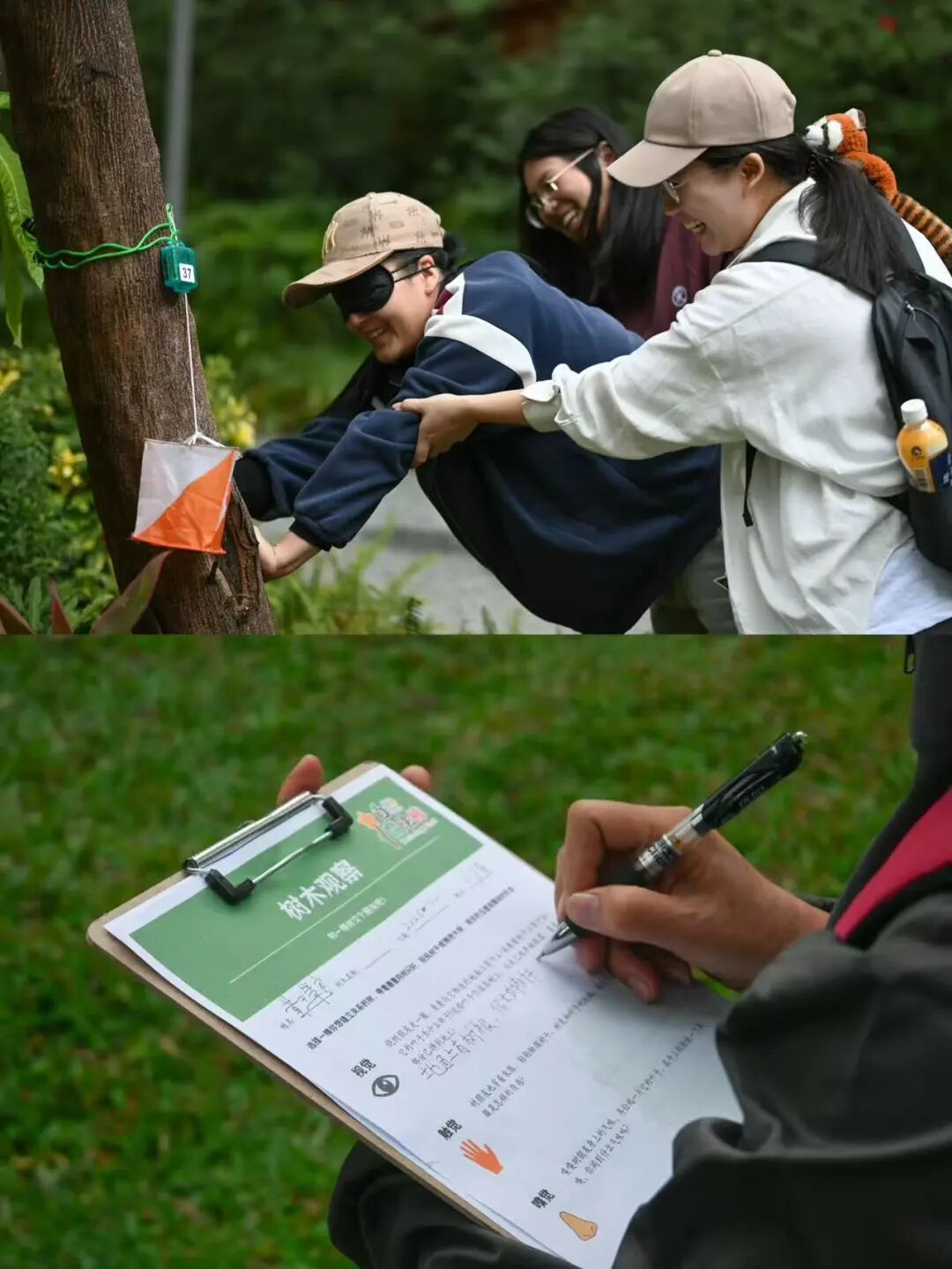
Our first proposal is to let young people choose roles that suit them and have genuine opportunities to participate and express their views in project design, delivery and evaluation. Organizers can discuss their interests alongside the needs of local ecosystems and communities to find work they can advance together.
Learning and action can connect with local ecosystem restoration, climate adaptation and resilience. Participation barriers, including costs, should be reduced where possible, with attention to people in vulnerable circumstances.
Action must remain grounded in science and environmental and social safeguards. The rights and knowledge of Indigenous peoples and local communities must be respected, including free, prior and informed consent in accordance with relevant Convention decisions.
02 · People who want to continue need the means to do so
Willingness alone does not answer practical questions: Is someone available to guide me? Can I find the tools and information I need? Can I afford to take part? These details may determine whether someone returns.
For a person just beginning, a suitable small grant, training session or mentor may resolve an immediate obstacle.
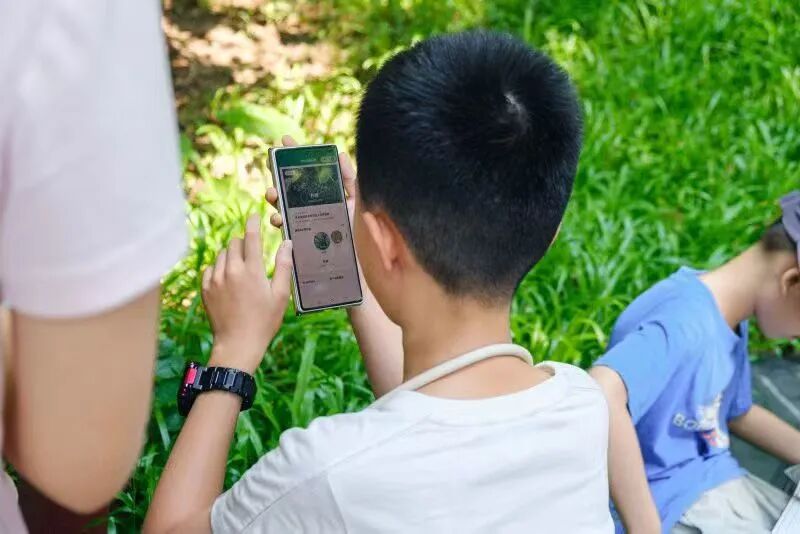
Our second proposal asks that youth-led and community-based action have better access to small grants, training, mentoring and reasonable participation costs. Enthusiasm, after all, does not yet pay the bus fare.
Supporters can ask participants what they need now, what they hope to learn next and which forms of help they can actually use. Skills, peer collaboration and sustainable livelihoods can be considered according to local circumstances.
Clear eligibility criteria and proportionate application and reporting requirements give people a fair chance to receive support and enough time to do the work. Caring about the future of an issue also means caring about the people working on it.
03 · Make learning easier and take feedback seriously
Learning materials should be designed for the people who will use them. Multiple languages can reduce barriers to understanding; low-bandwidth and offline formats matter where connectivity is limited. Materials are more useful when they can be adapted to local conditions.
Our third proposal calls for practical learning materials that help more people apply voluntary guidance on biodiversity and climate change, while using existing channels to share experience and avoid duplicated effort.
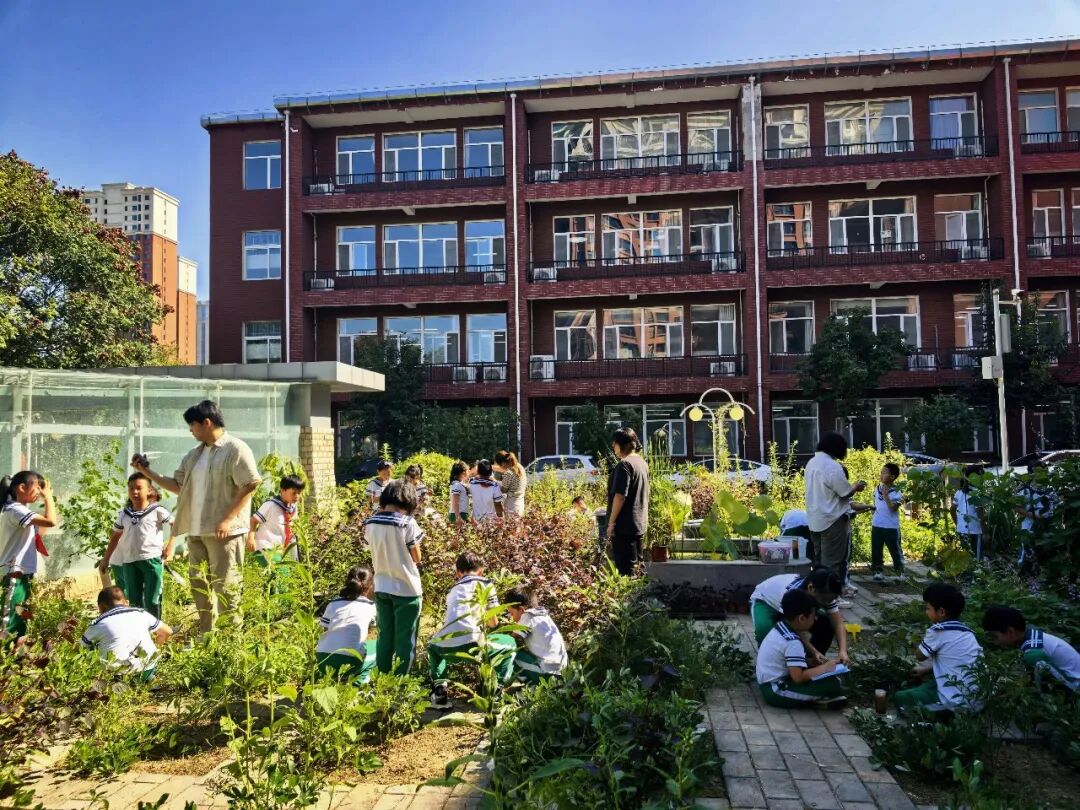
After a project begins, participants should be asked what they learned, what they did next and what made continued participation difficult. Feedback should be simple, voluntary and respectful of privacy. Listening provides a basis for adjustment.
Learning and participation outcomes should be assessed separately from biodiversity and climate outcomes. What participants learned and how they grew deserve an honest account; ecological and climate improvements need their own evidence. Explaining each kind of change helps us see what should continue and where more work is needed.
From reviewing the cases to preparing this statement, we have tried to make participants’ concerns concrete. Young people need opportunities to contribute, and easier access to knowledge, resources and support when they need them. We hope to bring these proposals into the COP17 discussion and continue practicing them in our everyday work.
Read the statement: On the CBD COP17 documents page, choose “More → Statements” and find “Plant Technology Alliance Limited (PTA)” under agenda item 18(a).
Originally published on the pta WeChat account (Chinese).
Images are from selected youth biodiversity action case submissions.